
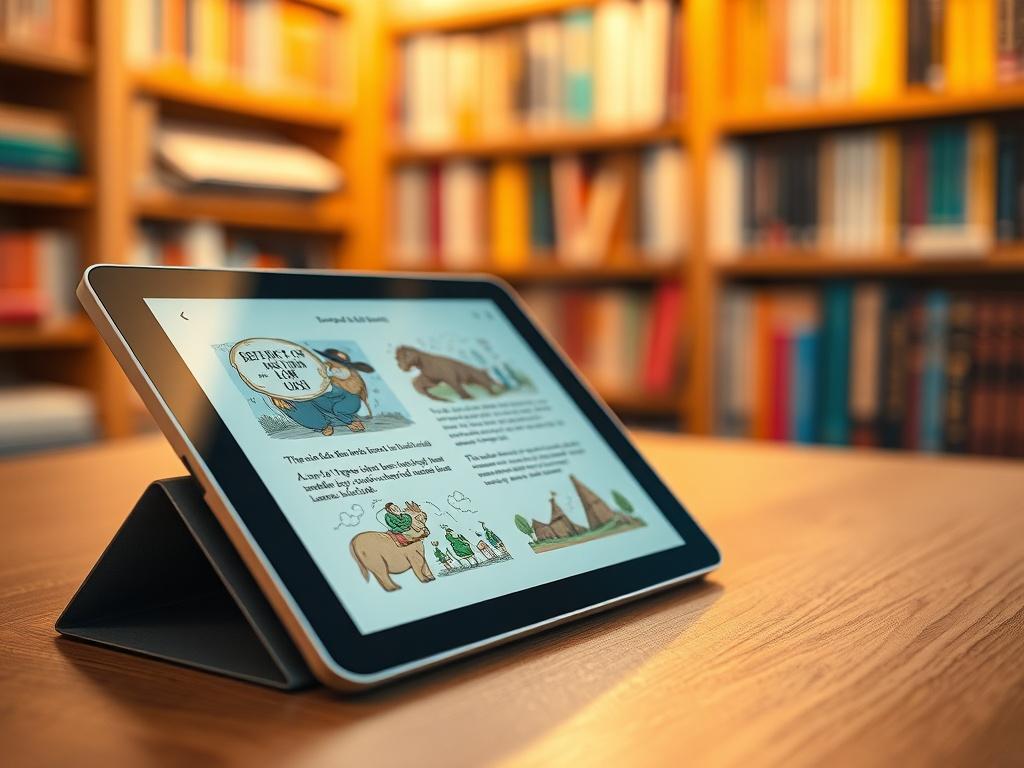
In today’s fast-paced world, digital books are revolutionizing the way we read and interact with literature. As readers seek more convenient and accessible options, digital formats offer a range of advantages that transform the reading journey. From instant access to vast libraries at your fingertips to customizable reading experiences, the benefits of choosing digital books are undeniable. Whether you’re a casual reader or a literary enthusiast, exploring the virtues of this modern medium can enhance your enjoyment and understanding of the written word.
As we delve into the world of digital books, we’ll examine how they not only make reading more efficient but also enrich the overall experience. With features like adjustable fonts, built-in dictionaries, and multimedia elements, digital books cater to diverse preferences and learning styles. Looking ahead, we’ll uncover the exciting possibilities that lie in the future of reading with digital formats, revealing how technology continues to shape our literary landscapes. Join us on this exploration as we celebrate the dynamic evolution of reading in the digital age.
Discover the advantages of digital books: Transforming your reading journey
Digital books offer a wealth of advantages that can significantly transform your reading experience. First and foremost, they provide unparalleled convenience. No longer do readers need to carry heavy volumes or search for a title in a crowded bookstore; with just a few taps on an e-reader or a smartphone, a vast library of digital books becomes accessible. This instant access not only saves time but also encourages readers to explore new genres and authors, broadening their literary horizons. Additionally, digital books often come with features like adjustable font sizes, background colors, and read-aloud options, catering to individual preferences and making reading more comfortable for everyone.
Cost-effectiveness is another compelling advantage of digital books. E-books typically come at a lower price point than their physical counterparts, making them an economical choice for avid readers. Furthermore, digital platforms frequently offer promotions, discounts, and even free titles, allowing readers to expand their collections without breaking the bank. The eco-friendly nature of digital books also appeals to environmentally conscious readers, reducing the need for paper and transportation, thus minimizing the ecological footprint associated with traditional publishing. Embracing digital books not only enhances convenience and accessibility but also aligns with modern values of sustainability and affordability, ultimately transforming the way we engage with literature.
How digital books enhance reading experiences: A deeper dive
Digital books revolutionize the way we engage with literature, offering features that traditional print cannot match. One of the most significant enhancements is the ability to customize reading settings. Readers can adjust font sizes, change background colors, and switch to night mode to reduce eye strain. These personalized settings cater to individual preferences and make reading more accessible to those with visual impairments. Furthermore, the convenience of searching for keywords or phrases allows readers to find passages quickly, making it easier to reference and revisit important ideas.
In addition, digital books bring the world of literature closer to readers through interactive features. Many e-books incorporate embedded multimedia content, such as videos, audio, and hyperlinks to related resources. This interactivity not only enriches the narrative but also creates a more immersive reading experience. Readers can explore author interviews, historical contexts, or related topics without leaving the text. With options to highlight passages, take notes, and share insights on social media, digital books foster a community of engaged readers eager to discuss and exchange ideas. Embracing these features transforms reading from a solitary activity into a dynamic, shared journey.
Unlocking new possibilities: The future of reading with digital formats
As technology evolves, digital books continue to unlock new possibilities for readers around the world. E-readers, tablets, and smartphones have revolutionized the way we access literature, enabling readers to carry entire libraries in their pockets. Features like adjustable font sizes, customizable backgrounds, and built-in dictionaries allow for personalized reading experiences that cater to individual preferences and needs. Additionally, digital formats facilitate seamless access to a diverse range of genres and authors, making it easier than ever to discover new voices and perspectives.
The future of reading with digital formats holds even more exciting potential. Innovations such as augmented and virtual reality can transform traditional storytelling, creating immersive experiences that engage readers on a new level. Furthermore, with advancements in artificial intelligence, future digital books may offer adaptive narratives that change based on reader choices, preferences, or even emotions. This dynamic approach promises to make reading not just a passive activity, but an interactive journey that captivates and inspires readers of all ages. As we embrace these advancements, the world of digital books becomes a platform for limitless exploration and creativity, shaping the future of literature in profound ways.